
Top 15 Deep Cleaning Tips for Cape Town Homes, Room by Room
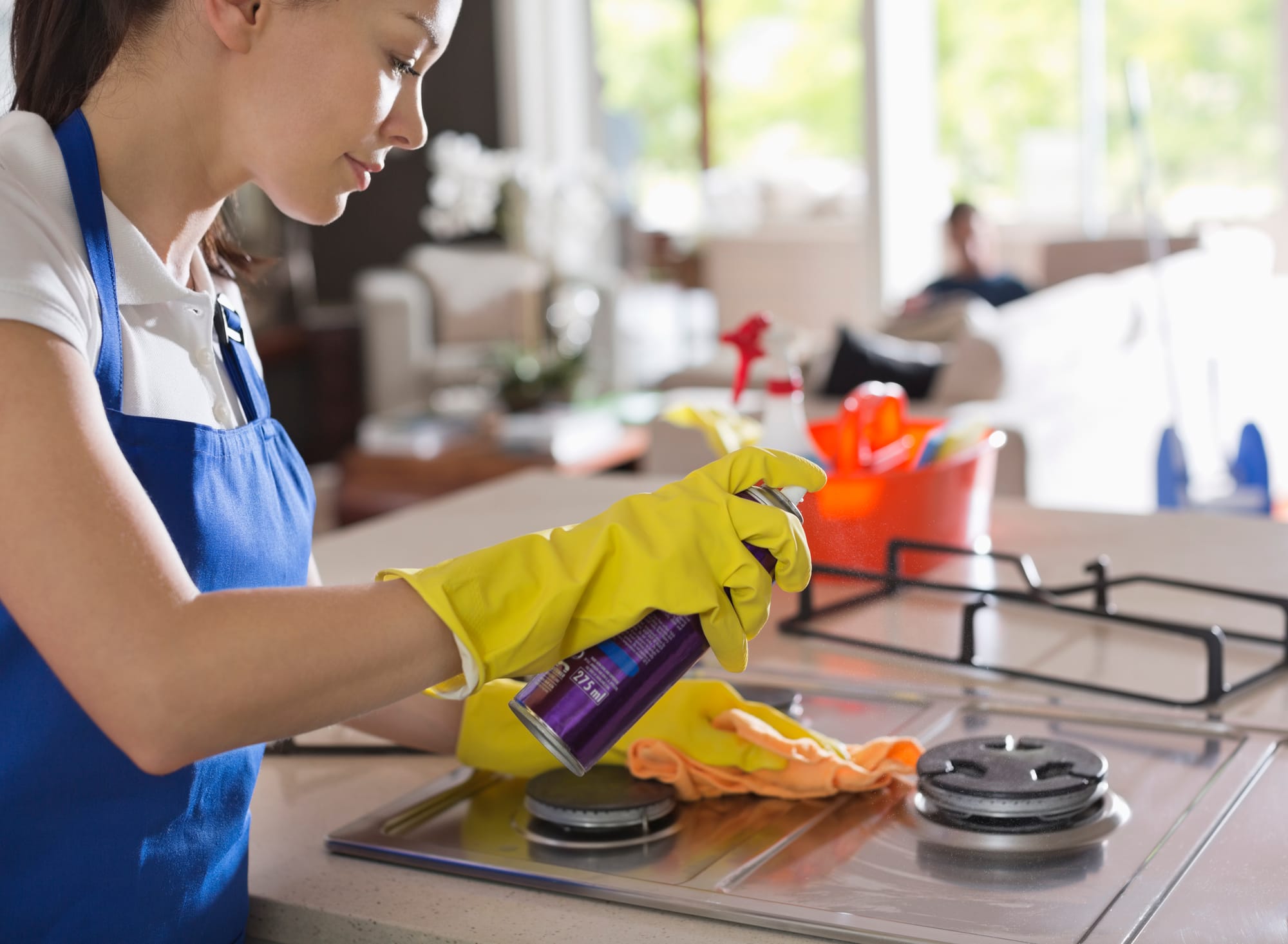
Deep cleaning in Cape Town, a practical room by room guide
Cape Town homes deal with a unique mix of everyday dust, seasonal pollen, coastal humidity, sea air, and the famous Cape winds that move grit from outside to inside fast. Deep cleaning is not the same as regular cleaning. It focuses on built up soil in corners, behind furniture, inside appliances, and on high touch areas that slowly collect grime. A good deep clean also improves indoor air quality, helps surfaces last longer, and makes day to day upkeep easier.
This room by room list gives you 15 detailed deep cleaning tips you can follow in any home, whether it is a flat in the City Bowl, a family house in the Southern Suburbs, a townhouse in the Northern Suburbs, or a coastal home near Blouberg, Muizenberg, or Hout Bay. Tackle a few tips at a time or plan a full weekend reset. Keep windows open for ventilation when using cleaning products, and always patch test on delicate finishes.
Top 15 deep cleaning tips for Cape Town homes, room by room
- 1) Whole home prep, declutter first and clean from top to bottom
- Why it matters: Deep cleaning is faster when surfaces are clear. Cape Town wind can blow in fine dust that settles on high ledges, light fittings, and picture frames, then falls again if you start with floors. Cleaning top to bottom prevents rework.
- What to do: Walk through the home with two bags, one for rubbish, one for donations. Clear floors, countertops, and windowsills. Remove items from corners and under furniture. Set aside laundry and dishes.
- Top to bottom order: Start with ceilings, cornices, light fittings, curtain rails, and top shelves. Then walls, windows, and surfaces. Leave floors for last in every room.
- Tools that help: Microfiber cloths, a soft duster with extendable pole, a vacuum with brush attachments, a bucket with warm water, a mild all purpose cleaner, and a squeegee for glass.
- Cape Town tip: On very windy days, keep windows closed while dusting high areas, then ventilate after you wipe and vacuum. This prevents fresh grit from landing on wet surfaces.
- 2) Living room, treat dust like an allergen, lampshades, skirting, vents, and behind the couch
- Hotspots most people miss: Behind the couch, under side tables, on skirting boards, on remote controls, on lampshades, inside TV stand compartments, and on air vents or extractor covers.
- Step by step: Vacuum upholstery first with a brush attachment to remove dry dust. Then move furniture carefully, vacuum behind and underneath, vacuum skirtings with a crevice tool, and wipe skirtings with a damp microfiber cloth. Dust the TV area with a barely damp cloth to avoid streaks on screens, then disinfect remotes and switches.
- Soft furnishings: Rotate couch cushions and vacuum all sides. If cushion covers can be washed, launder them according to the label. For throws, shake them outside and wash regularly.
- Lamps and shades: Use a lint roller or soft brush to lift dust from fabric lampshades. Wipe lamp bases and cords with a slightly damp cloth.
- Cape Town tip: If you live closer to the coast, salt air can leave a faint film on glossy surfaces. Use a mild solution and buff dry with a clean cloth to prevent a sticky feel that attracts more dust.
- 3) Windows and sills, remove wind blown grit, clean tracks, screens, and frames
- Why this is key in Cape Town: Window tracks and sills collect sand and grit quickly, especially in areas exposed to the Cape Doctor wind. Cleaning glass without cleaning tracks first often causes dirty streaks and sludge.
- Window track method: Vacuum the tracks with a crevice nozzle. Loosen compacted dirt using an old toothbrush. Wipe with a damp cloth, then dry. For stubborn grime, apply a small amount of baking soda and a little warm water, scrub, then wipe clean.
- Glass cleaning: Use warm water with a small amount of dish soap, or a dedicated glass cleaner. Wipe with a microfiber cloth, then squeegee from top to bottom. Buff edges with a dry cloth.
- Frames and handles: Wipe frames, hinges, and handles. Disinfect handles because they are high touch points.
- Screens and burglar bars: If you have insect screens, vacuum them gently and wipe with a damp cloth. Clean burglar bars with soapy water, rinse, and dry to prevent residue marks on windows.
- Cape Town tip: Clean exterior glass early morning or late afternoon to avoid fast evaporation that causes streaks, especially in summer.
- 4) Curtains, blinds, and rails, deep clean what filters your air daily
- What gets overlooked: Curtain headings, rails, blind cords, and the top edge of blinds. These hold a surprising amount of dust and can impact allergies in pollen season.
- Fabric curtains: Vacuum using an upholstery tool from top to bottom. If washable, remove and launder. If not washable, steam clean or schedule professional curtain cleaning if needed.
- Roller blinds: Dust with a microfiber cloth, then wipe gently with a slightly soapy cloth. Avoid soaking the fabric. Dry with a clean cloth to prevent water spots.
- Venetian blinds: Close slats and wipe with a damp cloth, then reverse and repeat. Use a cotton glove over your hand to speed up slat cleaning. Wipe cords too.
- Rails and pelmets: Vacuum and wipe the rail and any pelmet ledges. Dust gathers here and falls onto freshly cleaned furniture.
- Cape Town tip: If your home is near busy roads, blinds can collect traffic film. A gentle degreasing cleaner diluted in warm water helps, then rinse with a damp cloth and dry.
- 5) Kitchen counters and cupboards, remove grease film, sanitize touch points, and line shelves
- Why kitchens need real deep cleaning: Grease and humidity form a thin film that traps dust. This is common in homes that cook often or use gas stoves. The film spreads to cupboard doors, handles, and backsplash tiles.
- Cupboard exterior: Use a mild degreaser or warm soapy water. Wipe door faces, edges, and handles. Pay attention to the area above the stove and around the kettle area where splashes happen.
- Cupboard interior deep clean: Empty one cupboard at a time. Vacuum crumbs and wipe shelves. Dry fully before putting items back. Consider adding shelf liner for easier future cleanup.
- Countertops: Clear everything, wipe with appropriate cleaner for your surface, then dry. Disinfect high touch edges, handles, and appliance buttons.
- Backsplash and grout: Spray with degreaser, let it sit briefly, then scrub grout lines with a soft brush. Rinse and wipe dry.
- Cape Town tip: If you have hard water staining around the sink, use a mild descaler safe for your surface. Always rinse well, then dry to reduce new mineral marks.
- 6) Oven, hob, and extractor, deep clean to stop smoke, smells, and grease drip
- Extractor and filter: Remove filters if possible. Soak in hot water with dish soap and a small amount of baking soda. Scrub gently, rinse, and dry. Wipe the extractor hood exterior too.
- Hob and burners: Remove grates and burner caps. Soak in warm soapy water. For stubborn grease, apply a paste of baking soda and water, sit for 15 to 30 minutes, then scrub. Clean igniters carefully and keep them dry.
- Oven interior: Remove racks. Clean racks in the sink or bathtub using warm soapy water, then scrub. For the oven cavity, use a suitable oven cleaner and follow instructions, or apply baking soda paste overnight, then wipe and rinse thoroughly. Clean the oven door glass inside and out.
- Control knobs and buttons: These hold grease and fingerprints. Remove knobs if safe to do so, wash and dry, then wipe the panel carefully.
- Cape Town tip: Ventilate well, especially in winter when windows are often closed. Grease cleaners can be strong, so airflow makes the process more comfortable.
- 7) Fridge and freezer, eliminate odours, clean seals, and protect food safety
- Deep cleaning schedule: Aim for a full fridge clean every 1 to 3 months, depending on use. Quick wipe downs weekly prevent sticky build up.
- Step by step: Turn the temperature up slightly or unplug if needed. Remove all food and place perishables in a cooler box. Throw away expired items. Remove shelves and drawers and wash with warm soapy water. Wipe the interior with a mild cleaning solution. Dry fully.
- Door seals: Clean rubber seals with a soft brush and warm soapy water. Gunk in seals reduces efficiency and can cause leaks of warm air.
- Drip tray and vents: If accessible, clean the drip tray and vacuum the back coils or vents. Dusty coils make the fridge work harder.
- Odour control: Place an open container of baking soda inside. Wipe spills immediately to avoid lingering smells.
- Cape Town tip: In load shedding periods, keep fridge doors closed as much as possible. After power returns, check for leaks and wipe any condensation to prevent mould in seals.
- 8) Sink, taps, and drains, remove mineral build up and biofilm safely
- Why it matters: Sinks look clean even when they hold bacteria in drains and overflow holes. Mineral deposits around taps and aerators also reduce flow.
- Tap and aerator: Unscrew the aerator if possible. Soak in vinegar solution for 15 to 30 minutes, scrub with a small brush, rinse, and reinstall. Wipe taps and polish dry to prevent water spots.
- Sink bowl: Use a non scratch cleaner suitable for your sink. Scrub, rinse, and dry. Pay attention to the rim and the area around the drain.
- Drain refresh: Flush with hot water, then use a drain safe cleaner if needed. Avoid harsh mixes. For odours, a baking soda and warm water flush can help.
- Under sink cupboard: Remove items, wipe shelves, check for leaks, and discard empty bottles. Place a small tray under cleaning products to catch drips.
- Cape Town tip: If your area has hard water, drying taps after each use greatly reduces the time needed for future deep cleans.
- 9) Bathroom shower and bath, focus on soap scum, grout, and mould prevention
- Common Cape Town bathroom issues: Winter humidity and limited ventilation can lead to mould in grout and on silicone seals. Soap scum builds up on glass and tiles.
- Shower glass: Apply a descaling or soap scum remover. Let it dwell briefly, then scrub with a non scratch sponge. Rinse and squeegee dry. Clean tracks and corners where water pools.
- Tiles and grout: Spray cleaner, scrub grout lines with a brush, rinse well. For mould, use a bathroom mould remover suitable for the surface, ventilate, and follow label directions. Do not let chemicals sit longer than recommended.
- Silicone seals: Clean gently. If silicone is permanently stained or lifting, replacement may be the only lasting fix.
- Bath and shower fittings: Clean showerheads and taps. If the showerhead is scaled, soak in vinegar solution, then rinse. Polish chrome dry.
- Prevention habit: After showers, squeegee glass and wipe ledges. Run the extractor fan or open a window for at least 15 minutes.
- 10) Toilet deep clean, target hidden zones, disinfect correctly, and remove scale
- Areas most people miss: The base behind the toilet, the hinges under the seat, the flush button, the wall and skirting behind the cistern, and the floor around the toilet.
- Deep cleaning steps: Apply toilet cleaner under the rim and let it work while you clean externals. Remove the seat if easy, many seats release with buttons. Clean hinges and underside thoroughly. Scrub bowl, including under the rim, then flush.
- External disinfection: Wipe the cistern, handle or button, lid, and outer bowl with disinfectant. Use a dedicated cloth or disposable wipes. Finish by wiping the floor and skirting around the toilet.
- Scale control: If you see mineral ring build up, use a descaling product appropriate for toilets. Allow adequate dwell time and scrub.
- Cape Town tip: In older homes with older plumbing, avoid flushing large wipes or paper towels. Keep drains healthy by disposing in a bin.
- 11) Bedroom reset, mattress deep cleaning, dust proofing, and wardrobe refresh
- Why bedrooms deserve deep cleaning: We spend many hours in bedrooms, and dust mites, skin flakes, and fabric fibres collect in mattresses, headboards, and carpets. Deep cleaning improves comfort and can reduce sneezing and itchy eyes.
- Mattress deep clean: Strip bedding. Vacuum the mattress slowly on all sides using an upholstery tool. Spot clean stains with a mild solution, do not soak. Sprinkle baking soda lightly, leave for an hour if possible, then vacuum again. Rotate or flip if the mattress type allows.
- Headboard and bed frame: Vacuum fabric headboards. Wipe wooden or metal frames, including slats and underneath edges.
- Bedding routine: Wash sheets weekly in warm water if fabric allows. Wash pillows and duvets periodically based on care labels. Use mattress and pillow protectors to reduce staining and dust penetration.
- Wardrobe refresh: Empty one section, wipe shelves and rails, vacuum the bottom where lint collects. Check for damp smells, then place moisture absorbers if needed in humid seasons. Reorganise to improve airflow around clothes.
- Cape Town tip: Coastal humidity can cause musty odours in cupboards. Keeping wardrobe doors open for a short period on dry days can help, along with a gentle wipe down and moisture control.
- 12) Carpets, rugs, and upholstery, vacuum correctly, treat stains, and schedule professional cleaning
- Why deep cleaning fabrics matters: Carpets and upholstery trap sand, pollen, and fine dust. In Cape Town, beach sand and wind driven grit can act like abrasives, wearing fibres down if not removed.
- Vacuum technique: Vacuum slowly in overlapping passes. Do a second pass perpendicular to the first for high traffic areas. Use edge tools along skirtings where dust lines form.
- Rug care: Take smaller rugs outside and shake them. Vacuum both sides. Check for signs of damp under rugs, especially on tiles in winter. Ensure floors are fully dry before laying rugs back down.
- Spot stain rules: Blot, do not rub. Start with cold or lukewarm water and a small amount of gentle detergent. Test in a hidden area. For protein stains like milk, avoid hot water. For pet accidents, use an enzyme cleaner designed for that purpose.
- Upholstery refresh: Vacuum creases and seams. Spot clean carefully. For a true deep clean, consider hot water extraction by professionals, especially for pale fabrics or heavy use couches.
- When to call professionals: If carpets look dull even after vacuuming, if there are lingering odours, or if there are deep stains, professional carpet and upholstery cleaning restores appearance and hygiene.
- 13) Floors, tiles, laminate, wood, and grout, deep clean without damage
- Start with dry removal: Sweep or vacuum to remove grit. This is crucial in Cape Town because sand scratches surfaces when you mop over it.
- Tile floors and grout: Mop with warm water and a suitable floor cleaner. For grout, use a soft brush and a targeted cleaner, then rinse and dry. Avoid leaving dirty water sitting in grout lines.
- Laminate floors: Use a damp mop, not wet. Too much water can swell boards. Choose a laminate safe cleaner and dry any puddles immediately.
- Wood floors: Use a wood appropriate cleaner. Avoid harsh chemicals and soaking. Buff dry for a polished finish. Consider placing doormats to reduce sand entry.
- High traffic zones: Deep clean entryways, hallways, and kitchen paths. These zones build up the fastest and make the whole home look less clean.
- Cape Town tip: Keep a small brush or handheld vacuum near the main entrance for quick removal of sand after beach days. This reduces scratch damage long term.
- 14) Laundry area and cleaning tools, sanitize what you clean with
- Why this matters: A deep clean fails if your mop, cloths, and washing machine are dirty. Cleaning tools can spread odours and bacteria from room to room.
- Washing machine clean: Run an empty hot cycle with a machine cleaner or a suitable descaler. Wipe the door seal, especially in front loaders, and clean the detergent drawer. Leave the door open to dry after cycles.
- Tumble dryer and lint: Empty the lint filter every load. Deep clean the lint trap area if accessible. Vacuum behind the dryer where dust gathers, and ensure proper ventilation.
- Mops and buckets: Rinse mops thoroughly after use. Wash mop heads regularly. Disinfect buckets and allow to dry fully to avoid sour smells.
- Sponges and cloths: Replace sponges often. Wash microfiber cloths separately from linty items, avoid fabric softener, and dry fully.
- Cape Town tip: In winter rains, laundry areas can stay damp. Use airflow, sunlight where possible, and avoid storing wet cloths in closed spaces.
- 15) Final detail pass, high touch disinfection, scent control, and a simple maintenance plan
- High touch checklist: Light switches, door handles, cupboard handles, fridge handle, kettle and microwave buttons, remote controls, taps, toilet flush buttons, bannisters, and alarm keypads. Wipe with a suitable disinfectant and allow proper contact time per product instructions.
- Air and odour reset: Empty bins, wash the bin, and replace liners. Clean pet bedding. Use baking soda in odour prone areas like shoe cupboards. Ventilate by opening windows when weather allows.
- Entryway control: Place doormats outside and inside, and consider a no shoes policy indoors to reduce sand and germs. Add a small tray for keys and a basket for shoes to reduce clutter.
- Maintenance plan:
- Daily, quick wipe kitchen counters, rinse sink, handle dishes, and spot sweep entry areas.
- Weekly, vacuum thoroughly, mop floors, clean bathrooms, change bedding, and wipe high touch points.
- Monthly, wipe skirting boards, clean windows inside, detail appliances, and refresh cupboards.
- Quarterly, deep clean oven, fridge, mattresses, and schedule professional carpet and upholstery cleaning if needed.
- Cape Town tip: Plan deep cleans around the weather. A calm, dry day is perfect for windows, rugs, and fast drying bathrooms. Windy days are better for indoor detailing with windows closed until the end.
Optional product and tool basics for a safe deep clean
- Microfiber cloths: At least 10, colour coded if possible, for kitchen, bathroom, and general areas.
- Vacuum with attachments: Crevice tool, brush tool, upholstery tool.
- Soft brushes: One for grout, one for tracks, one old toothbrush for corners.
- Mild cleaners: Dish soap, all purpose cleaner, a degreaser for kitchen film, and a bathroom cleaner for soap scum and limescale.
- Gloves and ventilation: Protect skin and lungs. Never mix strong chemicals. Follow label directions.
When a professional deep clean makes sense
Deep cleaning can be time consuming, especially if you are balancing work, family, or short term rental turnovers. If you need help with deep general cleaning, carpet and upholstery cleaning, rug cleaning, window cleaning, or mattress cleaning, a professional team can complete the job faster with the right equipment. For many Cape Town households, a professional deep clean once or twice a year, combined with weekly upkeep, keeps the home consistently fresh and guest ready.
Conclusion
Deep cleaning is a series of small, focused actions that add up to a big transformation. By working room by room, and by cleaning top to bottom, you remove the dust, grit, grease film, soap scum, and hidden build up that regular cleaning misses. Use these 15 tips as your checklist, adjust for your home type, and keep a simple maintenance plan so your next deep clean is easier than the last.